Dance Became My Therapy Before I Knew I Needed It
I did not begin dancing because I knew I needed healing. I began because movement made me feel alive. Only later did I understand that dance had become the place where I could meet myself without having to explain anything.
Dance did not remove my troubles. It changed the way I carried them.
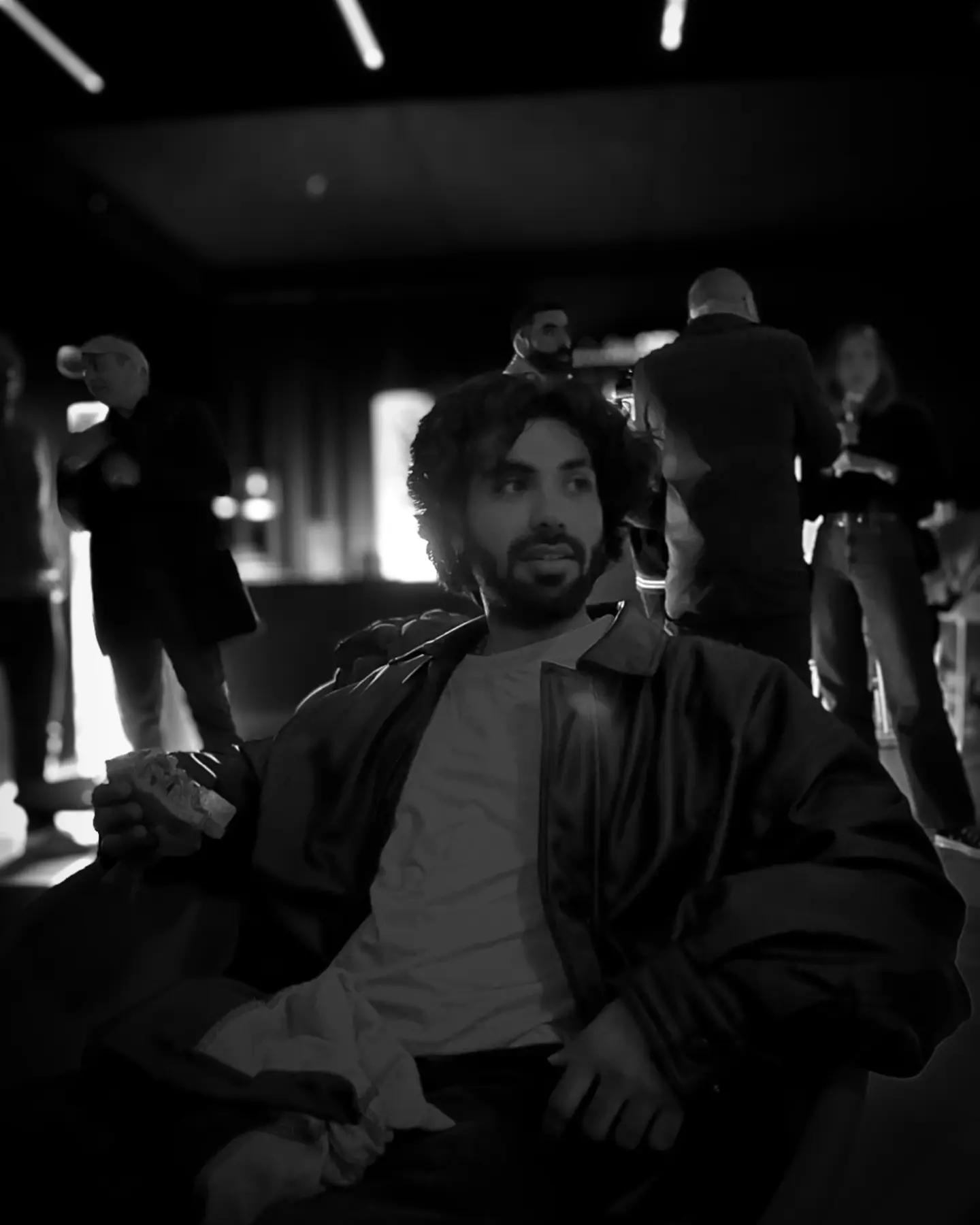
I did not begin dancing because I knew I needed healing. I began because music did something to my body that ordinary language could not. A rhythm arrived, the body answered, and for a few minutes the distance between who I was and who I wanted to be disappeared. At that time, I would never have called it therapy. It was simply the place where I felt most alive.
What the body keeps
Years later, living far from home in France, the meaning of dance changed. Adult life came with responsibilities that did not pause because I was an artist: work, bills, administrative uncertainty, relationships, disappointment, loneliness and the constant pressure to build a future. I could be responsible all day, speak carefully, solve problems and remain available to other people. But the body kept a record of everything I did not have time to feel.
Then I would dance. Sometimes in a studio, sometimes at a battle, sometimes alone with very little space. The first few minutes were often restless. My shoulders carried the day. My breath was shallow. My mind was still replaying a conversation or calculating tomorrow. But if I stayed with the music long enough, something softened. Thought became rhythm. Anxiety became breath. Emotion became weight, speed, hesitation, suspension or release.
Freestyle gave me a form of honesty I did not always find in words. I did not have to create a correct sentence for sadness or confusion. I could repeat one movement until it revealed what I was holding. I could stop. I could fall out of rhythm and return. Nothing inside the dance demanded that I pretend to be fine.
A personal form of healing
I use the word therapy with care. Dance is not a replacement for professional mental-health support, and movement does not magically resolve the causes of pain. Yet it became therapeutic in the most personal sense: it gave my emotions somewhere to go. It allowed me to witness myself without immediately judging, fixing or performing strength.
Dance also became a form of presence. A body cannot truly improvise while living entirely in yesterday or tomorrow. It must listen now: to the floor, the breath, the sound and the distance around it. During difficult periods, that temporary return to the present was not an escape from life. It was a way of gathering enough clarity to re-enter it.
There are moments when ambition complicates this relationship. Dance can become another place to seek approval: winning a battle, gaining visibility, being selected, proving that the years of practice mean something. Whenever that noise becomes too loud, I try to return to the original reason I moved—the quiet pleasure of discovering that the body still has something honest to say.
My problems are usually waiting when the song ends. But I am no longer meeting them in exactly the same state. The breath is deeper. The body is awake. The mind has remembered that it is not trapped in one emotion. Long before I understood this intellectually, movement had already begun teaching me how to survive, listen and return to myself.