When the Camera Dances
I do not want the camera simply to prove that a dance happened. I want it to enter the movement, choose what the audience feels and help the body become part of a larger cinematic story.
Sometimes I choreograph the dancer. Sometimes I choreograph the camera. The film begins when both learn to listen.
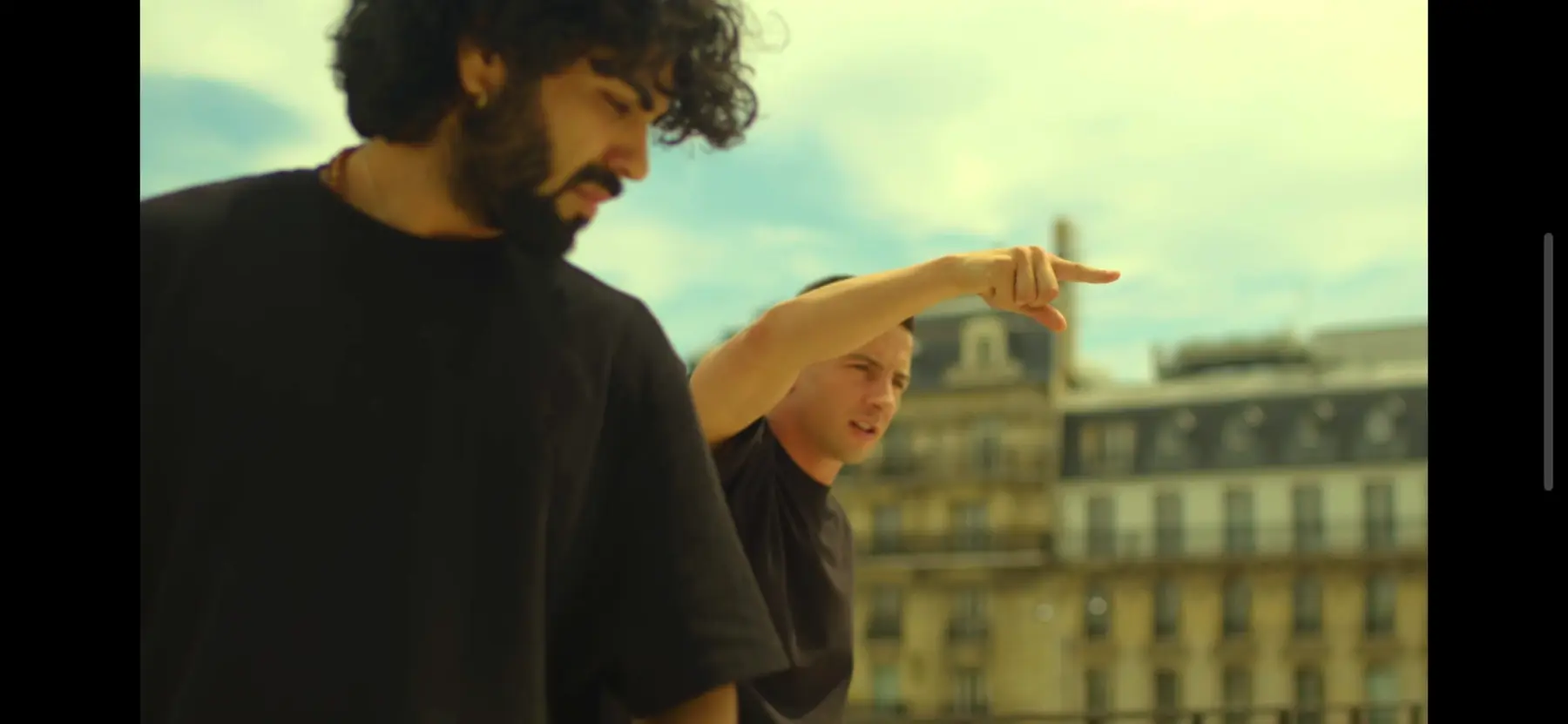
My relationship with filmmaking began from the same curiosity that drives my dance: how can movement carry a story before words explain it? At first, the camera can seem like a witness. It stands in front of the dancer and records what happens. But recording a dance and making a dance film are not the same thing.
The frame produces meaning
A stage audience chooses where to look. In cinema, the frame makes that decision. A close-up can turn a trembling hand into the centre of the story. A wide shot can make one body appear free, lost or overwhelmed by its environment. A low angle can create power; an empty space held after the dancer leaves can create absence. The camera does not only observe meaning. It produces meaning.
This is why I think of the camera as another moving body. It has rhythm, distance, direction, speed and breath. It can approach, retreat, circle, hesitate or remain completely still. When its movement has no relationship with the performer, the image may look energetic but feel empty. When the dancer and camera truly listen to one another, a third choreography appears—the choreography experienced by the viewer.
Editing choreographs time
Editing continues that choreography through time. A cut can behave like an accent in music. A held shot can allow discomfort or tenderness to grow. Repetition can transform one gesture into memory. Two movements filmed in different places can be connected so that the body seems to travel through emotion rather than geography. In the edit, I am not only arranging images; I am deciding how the audience breathes with them.
Dance film also allows me to work with places that already carry stories. A street in Paris, a small room, a railway platform, a landscape in Rajasthan or the banks of the Yamuna can become more than a background. Texture, architecture, weather, light and public life affect the movement. The dancer responds to the location, and the location changes how the body is understood.
This cinematic language is important to my search for an artistic identity between India and Europe. Indian mythology, devotional imagery, popular cinema, family memory and everyday gestures can enter a film through atmosphere rather than illustration. A colour, rhythm, sound, object, glance or relationship between body and landscape may carry cultural memory more honestly.
When movement becomes the story
The camera can also hold the contradictions of my practice: freestyle and choreography, intimacy and spectacle, spirituality and ambition, realism and mythology. A dancer may begin as an ordinary person returning from work and, through framing, sound and movement, gradually enter an inner or mythic world. Cinema allows external reality and internal experience to exist in the same sequence.
I want to make dance films in which movement is not inserted between pieces of narrative but becomes the narrative itself. The question is not only whether the dance looks beautiful. What changed in the character? What did the camera reveal? Why did the cut happen there? What remains in the empty frame when the movement is over?
For me, filmmaking is another form of choreography. The performer moves through space; the camera moves through attention; editing moves through time. When these three movements become one, dance is no longer being documented. It is thinking, feeling and telling stories through cinema.