Everything Moves
Dance has made movement more than an artistic form for me. It has become a way of understanding change: balance, loss, desire, relationships and the fact that nothing in life remains in one shape forever.
Balance is not the absence of movement; it is the ability to keep responding.
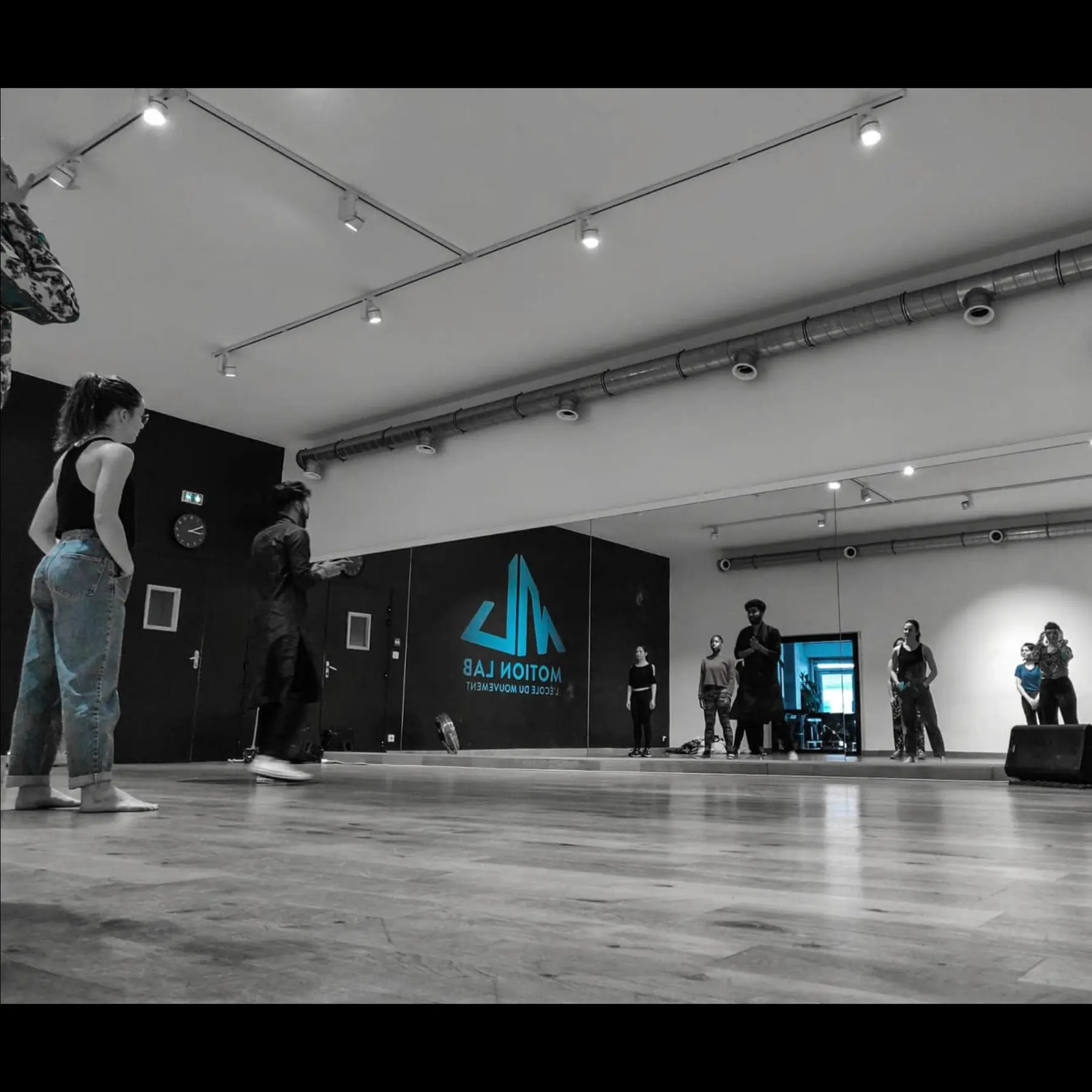
The longer I dance, the less I experience movement as something that begins when music starts and ends when it stops. Movement is already everywhere: in breath, ageing, relationships, cities, seasons, ambition and grief. Dance simply makes this truth visible.
Balance is a response
A body that appears still is not completely motionless. It breathes, adjusts and negotiates gravity. Balance is not a frozen position; it is a series of small responses. This has become one of the most useful lessons dance has given me. Stability in life is also not the absence of change. It is the ability to keep responding without losing the deeper centre from which the response comes.
As an immigrant, I know movement geographically. Home, language, friendship and identity change when a person crosses borders. As an artist, I know it creatively: an idea has to leave its first form if it is going to become a work. As a human being, I know it emotionally: people arrive, relationships transform, jobs change, certainty disappears and the future refuses to remain obedient to our plans.
The courage to transfer weight
My instinct is often to hold on—to a person, an opportunity, an image of success or a version of myself. Dance teaches another intelligence. If I refuse to transfer weight, the next step cannot happen. If I tighten every muscle, movement loses breath. If I decide the improvisation in advance, I stop listening to what is actually present.
This is where movement connects with the spiritual ideas that guide me. Buddhist thought speaks of impermanence. The Bhagavad Gita asks for committed action without complete attachment to results. Dance lets me rehearse these ideas physically. I prepare, choose and move, but the floor, music, other bodies and moment are always participating in the outcome.
Change is not automatically beautiful. Some movement is unwanted: separation, displacement, illness, rejection or the loss of a plan we believed would define our life. Dance does not ask me to pretend these experiences are easy. It shows me that even pain has changing textures. No emotional state remains exactly identical from beginning to end.
Movement as lived philosophy
This is why movement feels like a source of the universe to me—not as a scientific claim, but as a personal philosophy. Existence reveals itself through transformation. Creation is movement from possibility into form. Healing is movement in our relationship with pain. Learning is movement from certainty into curiosity.
When I dance, I remember that I do not need to control every transition in order to participate fully in my life. I need attention, grounding and the courage to transfer weight. Balance is not the absence of movement. It is the ability to keep responding.